Selecting Thermal Sensors: How big? How Fast?
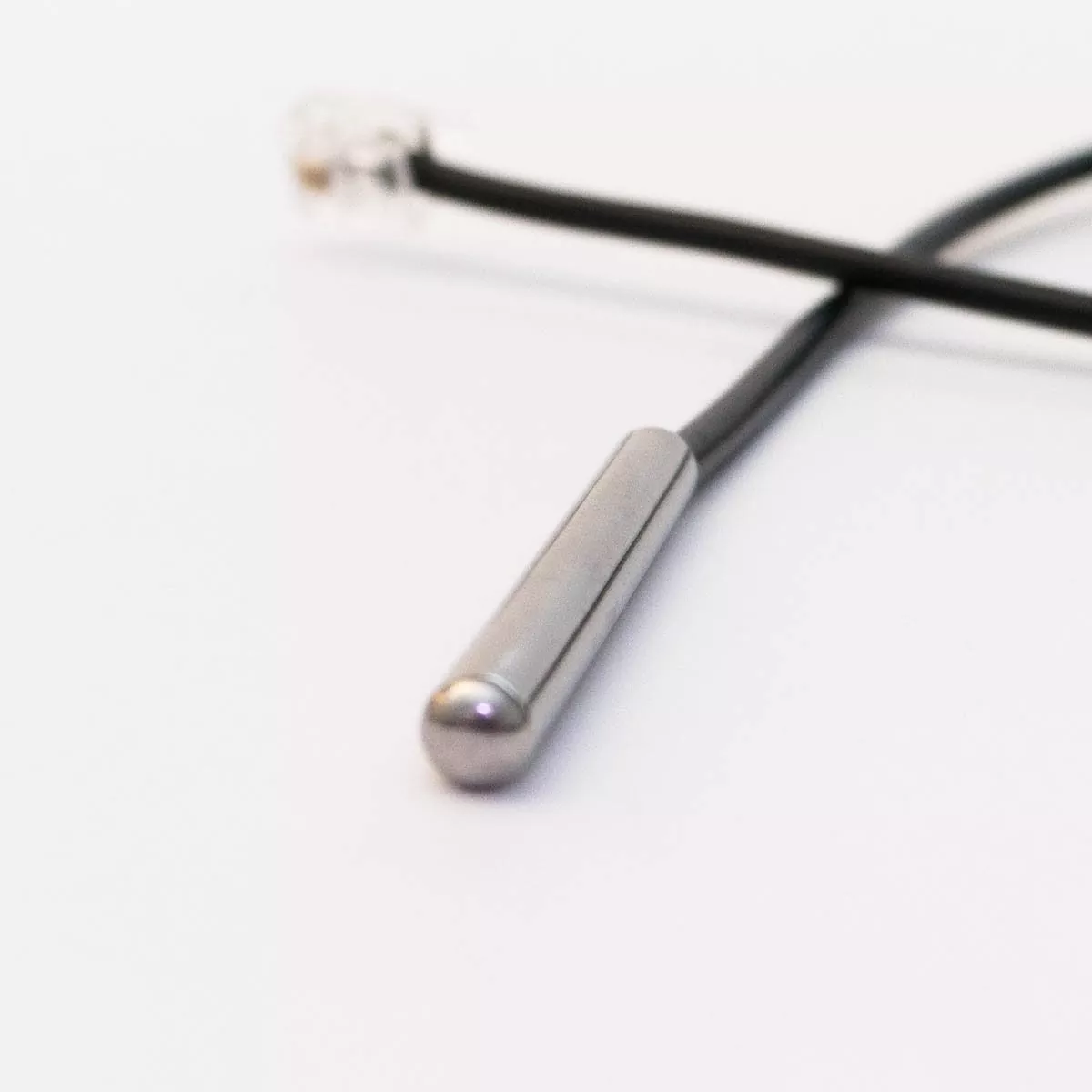
Selecting Thermal Sensors: How big? How Fast?

How to choose an appropriate temperature sensor for thermal test:

Selection criteria of an appropriate temperature sensor for a given application can be detailed but it often does not need to be that complicated.  Two main points we are going to address today are sensor size and speed of response.  Prior discussions covered thermocouple v. RTD and in the future, we will likely cover more of the environmental issues of temperature sensors such as temperature range and resistance to moisture or other abuse.

 

Small low mass sensor to screw-mount to the device surface

The sensor is typically used to sense Device Under Test. This sensor might be considered Medium-Massive and sensitive on both sides, results will show some smoothing of instantaneous temperature readings and although attached to the device there will be some weighted averaging with air temperature.

Thermocouples are by nature generally smaller, often cheaper, and lower mass but can be ultimately be packaged very much similarly to RTD sensors. Smaller, lower mass sensors will pretty much respond faster. When using a temperature sensor to control, the faster the response, generally the better. Likewise, when just logging a temperature fast response helps.

A slower response can solve or hide some other problems but often is it better to look more at the real problem. An example might be a sensor on a device being temperature conditioned on an uncovered thermal platform. The sensor may be subject to fluctuations in air temperature instead of the intended device.  In this case, a cover is recommended as well as a sensor that is designed to be sensitive on one surface to reduce the possible negative effects of a sensor with a fast response.

Smaller, faster sensors although more fragile are often desired when a device under test is small relative to the sensor and when the temperature of a very specific location is desired instead of a larger package. You don’t want the sensor to be so big that it occurs as a heat sink to the device being monitored.

There are times when some temperature smoothing effects (smoothing over a surface area/volume and overtime) sensed by a more massive sensor is helpful but on the other hand, often modern monitoring/controlling systems can add response smoothing over time through software if averaging is required.  There is generally limited ability to compensate for a slow response.  Smoothing over a volume or surface is likely best monitored with larger or multiple sensors. Often once a device can be thermally modeled/characterized with multiple sensors, a single sensor can provide good test data for ongoing tests.

Inside a temperature chamber or on a thermal platform, the temperature reading of a device under test is often desired. Many systems now have advanced temperature control algorithms that rely on both the chamber (or platform) temperature plus the temperature of the device.  If possible a small pocket or hole on the device to locate the temperature sensor, make good physical contact and isolate it from the air can be helpful as well as a sensor designed to be sensitive on just one surface.  In many cases, a small rugged sensor with insulating adhesive tape on one side is a good choice for making good physical contact to take device temperatures.  Some sensors such as the top two pictures have a small mounting hole used to secure the sensor to the device under test.

Adhesive mount RTD surface sensor

Many modern temperature instruments offer the ability to read several different types of sensors including RTDs and thermocouples however I have found that often the instruments are more optimized for one range or one type of sensor than another.

We previously indicated our preference for RTDs over thermocouples, we stand by that opinion but there are also some very high-quality thermocouples that remain accurate and repeatable over a range of abusive conditions such as extreme temperatures or rapid ramping rates and vibration.  We additionally generally find that the RTD sensors made of wound platinum wire are more durable than those which are made with platinum wire printed on a substrate.

100 ohm DIN RTD element made of platinum plating on the substrate.

Temperature sensors designed to measure air temperature can be elaborate with fins or special materials to transfer heat from the air but often work best in a simple thin-walled aluminum sheath to protect the sensor from contamination and abuse. A small amount of conductive grease inside helps improve heat transfer from the sheath to the sensor element inside. Likewise, a small amount of thermal grease between the sensor housing and the device under test is helpful.

Some POINTS TO REMEMBER specifying a temperature sensor.

  • Small size and speed optimized for the size of the device under test and controller
  • Review best compatibility with instrumentation and device
  • Ability to attach to the device to be sensed
  • Low mass v. ruggedness of sensor for repeated usage

A final note:

There are a wide variety of temperature sensors available, generally smaller is better for faster response, large enough to make contact with the surface you really want to measure but not so big that there are resulting lags in the readings. Let TotalTemp’s many years of experience help you select the right sensor for measuring the temperature of your device to be tested.

Using Purge Gas When Thermal Testing

Using Purge Gas When Thermal Testing

Applying Purge Gas Provides Two Main Benefits When Thermal Testing

INTRODUCTION:

A choice to be considered when selecting the best thermal test system is the use of purge gas. Purging with gas serves two purposes during environmental thermal testing. Most often it is used to keep condensation and frost from accumulating on the surfaces of the DUT (Device Under Test) at cold temperatures. Additionally, it is also used to prevent the oxidation of metals surfaces at high temperatures.

Heavy frost forming at -40C ultimately becomes wet.

High-temperature corrosion 

Generally, the condensation of any moisture is to be avoided during the environmental testing of electronics.

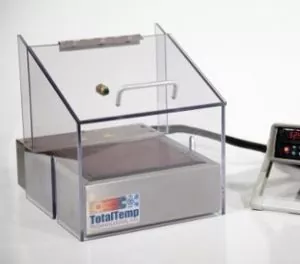
Thermal Platform with Probing Cover & Nitrogen(g) Inlet

In simple terms, condensation occurs when the air temperature drops below the dew point.  Above the dew point, more moisture evaporates from surfaces than condenses, below the dew point more water condenses on surfaces than evaporates. The dew point is a temperature determined by the combined effects of the surface temperature and the relative moisture content of the air (assuming the same atmospheric pressure).

Generally, condensation is to be avoided during the environmental testing of electronics. In simple terms, condensation occurs when the air temperature drops below the dew point.  Above the dew point, more moisture evaporates from surfaces than condenses, below the dew point more water condenses on surfaces than evaporates. Thus, the farther below the dew point, the faster moisture will condense.  The Dew point is a temperature point that is determined by the combined effects of the surface temperature and the relative moisture content of the air (assuming the same atmospheric pressure).

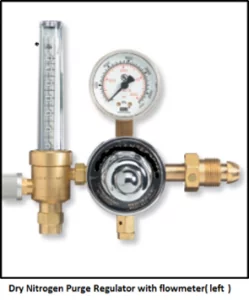
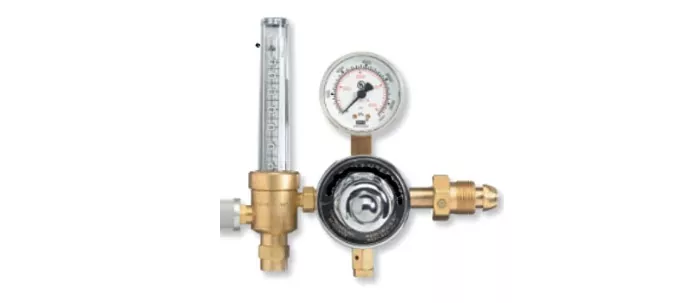
The easiest way to avoid condensation on a DUT is to lower the moisture content of the air. The easiest way to do that is with dry Nitrogen purge gas into the space around the DUT. The Nitrogen displaces moisture-laden air so that dew point condensation of high-temperature oxidation cannot occur. Nitrogen from a Dewar or portable tank works very well because the moisture content of the Nitrogen is extremely low and it is often readily available at the test station. Nitrogen is also notably inert, that is to say, it does not easily react with other elements or materials.   If you are going to extreme temperatures and condensation can cause problems with your devices, you should take measures such as purging gas to reduce condensation.  Critical or sensitive metal surfaces exposed to hot temperatures above 170C will be preserved better with purge gas as well.

Sometimes the question comes up if CO2 (Carbon Dioxide) can be used as a purging gas. The quick answer is no. Although CO2 from a tank is dry and displaces moist air, CO2 can react with water to produce carbonic acid which of course is corrosive.  As long as there is no moisture, to begin with, CO2 would work but it is generally not recommended.  Other gasses such as Argon can also be used but are generally more expensive. If your facility provides clean dry compressed air, often this can be successfully used to purge, especially if your air is really dry (some facilities add a desiccator system to air supply) and temperatures are not so extreme (~above -20° C as a rule of thumb).

Your requirements may vary but as a starting point in a small benchtop enclosure or chamber 15 – 20 SCFM for an initial flow rate to displace moist air followed by a reduced rate of 3-5 SCFM two to three minutes after openings have been closed. Too much flow on an ongoing basis can create air temperature gradients inside the box.

Consult your application engineer about options to automate these processes. Application of purge gas to a thermal platform or chamber is generally very easy. A pressure regulator can attach right to your Nitrogen tank. The flowmeter is normally located at the tank as well and is used to set the flow rate. Typically a small 1/4″ OD uninsulated hose can connect the output of the regulator/flowmeter to the hot-cold plate cover or chamber with a simple push to connect fittings.

Top Ten Reasons for Using a Small Benchtop

Top Ten Reasons for Using a Small Benchtop Thermal Platform or a Benchtop Temperature Chamber

In today’s world, everything is getting smaller and smaller. And with it, the durability and quality of materials are only getting better. Testing smaller materials in larger thermal platforms can be slow, expensive, and an overall burden. Plus, the space in your lab should be optimized. Gone are the days of clunky, unsightly equipment. As your products and needs get more specific, your equipment should too. Here are ten reasons why a benchtop temperature chamber or platform will improve the hard work you already do.

#1  less movement

Less movement is needed to use a benchtop temperature chamber. The more time your employees spend in transit to the machine, the less time they have to do their best work. The accessibility, decreased foot traffic increases productive space and room for new opportunities.

#2 Save time

Larger chambers can take long periods of time for any test, when you just may need a quick run. A benchtop temperature chamber is capable of running faster tests due to its small size, allowing you to get on to the next task.

#3 Cost-Efficient

Your tests will cost significantly less per run. Bringing down the bottom-line required to make a profit. The investment will pay for itself, and the results will speak for themselves. Smaller chambers draw less power.

#4 Energy-Efficient

A smaller environmental impact from your tests. Today’s consumer wants to know they are doing business with people who care for the planet, and by being conservative with your energy use you’re doing just that. Consuming less energy is great for the bottom line and the planet, a win-win!

#5 DUT Logging

The benchtop temperature chamber with DUT logging provides verification that the unit has reached the desired temperature. Tests need to be conducted not only with accuracy but with confidence. Temperature verification gives you the confidence to believe in the results you worked hard to acquire. In addition to verification, they need less energy to reach their desired temperature.

#6 Energy Savings

A lower power bill could mean holiday bonuses, raises, etc. All serve to improve morale and act as an investment in the company’s future.

#7 Compact Chamber

The small form factor will allow you to place the benchtop temperature chamber in a convenient location; leaving space for the heavier, clunkier machines you couldn’t live without.

#8 More Space

Increased space frees up the brain’s creative part, potentially allowing the development of brand-new thoughts. Whether you fill your space with new equipment or just enjoy the open plan, you’ll benefit from the smaller form factor of a benchtop temperature chamber. If you were not already convinced a benchtop thermal chamber or platform would make a proper addition to your thermal testing arsenal, the last two reasons will bring you over.

#9 Precision

The precise build brings the margin of error on the temperature way down, meaning you can be confident your tests represent the harshest condition you choose. By their very nature, chambers are difficult to heat evenly and precisely over long periods of time. With the benchtop temperature thermal test systems, you will find your unit heating quickly and maintaining evenly.

#10 Automation

finally, the unit offers automatic export of your test report in PDF to your computer or straight to your network printer. The seamless integration into your data structure saves plenty of time. There were the top ten reasons why you should invest in a benchtop temperature chamber. Overall, your lab installing one will make your lab run more efficiently and allow you to have more confidence in your tests.

TotalTemp Technologies is an environmental and temperature testing platform manufacturer located in San Diego, Ca. The US.

Temperature Chamber Choices

Temperature Chamber Choices

Thermal testing of products can’t be ignored. Knowing your product stands up to the harshest environments it will be exposed to over the life of the product provides proof of the design and verified quality. With TotalTemp Temperature Chambers and Thermal Platforms, you can most effectively run thermal tests for burn-in or design/production verification. Products meant for consumers have to be tested, but it’s safe to say, products going into space need far more rigorous verification. Life tests or inappropriate tests can go too far, thus shortening the life so it is important to ensure the proper testing is performed. Optimum prior testing must be done when your product is meant to be catapulted into orbit.  TotalTemp products are made with the highest quality because you need precise and repeatable results.

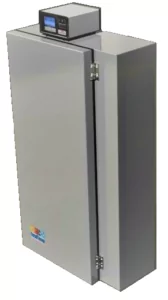
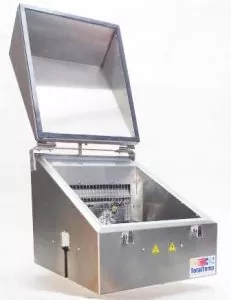
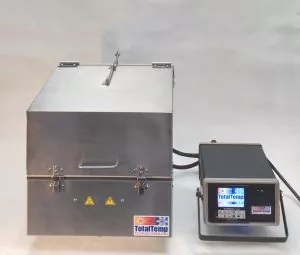
TotalTemp led the way when it announced the first true Hybrid Temperature Chamber/Thermal Platform Combination HBC (Hybrid Benchtop Chamber). TotalTemp’s Hybrid Benchtop Temperature Chamber provides the benefits of both a temperature chamber and platform. The Hybrid Temperature Chamber brings innovation to the thermal testing arena in being the first to combine chamber and platform capabilities. The chamber floor can be set to either hot or cold and runs independently or simultaneously with the chamber. The Hybrid Temperature Chamber comes in micro, small and medium thermal chambers. The smaller form factor and updated technology of the HBC series of temperature chambers have afforded many performance improvements.

The cycle time has been greatly reduced, and there has been a great reduction in the thermal gradients once a setpoint is achieved. The design philosophy has created an easy-to-use unit with easy access to the DUT – through the hinged lid or front door and provides phenomenal speed and thermal uniformity. The HBC utilizes power efficiently, lowering its environmental and power requirement impact. The decreased footprint of the Hybrid Temperature Chamber effectively uses lab space. Its efficiently designed user interface and automation features help get the testing done in the shortest amount of time.

The HBC system can even be purchased separately as a shroud to upgrade your existing thermal platform. TotalTemp also offers the next generation of custom-designed thermal testing equipment. The details of the chambers can be modified according to your specific needs. Examples include the new Custom Side Flow Chamber which allows for seamless integration into externally mounted racks.

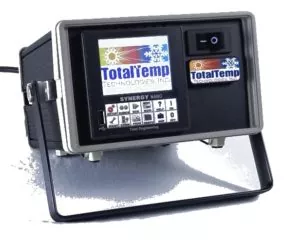
TotalTemp’s Dual Channel Synergy Nano Temperature Controller allows you to control chambers & platforms independently or simultaneously. TotalTemp also makes larger benchtop easier with the new SD288-N. The SD288-N provides 288 square inches (12” x 24”)  of area for thermal testing while still having a smaller footprint than a benchtop thermal chamber.

The Dual Mode system allows for improved temperature cycling by combining convection and conduction for heat transfer. There are many types of thermal chambers, and TotalTemp can work with your individual requirements. All TotalTemp temperature chambers are reliable and provide you the confidence to know your tests meet the required standards. The equipment is all made to be accessible, user-friendly, and affordable.

TotalTemp also offers testing accessories and thermal vacuum systems (TVAC) for efficient space simulation testing.

TotalTemp thermal testing equipment is backed by their dedication to customer service with a two-year warranty for most standard items. TotalTemp takes pride in seeing its customers Success. In conclusion, when putting your space-bound or terrestrial products through rigorous tests, TotalTemp is the solution. You will know you have done your best to ensure the safety and quality of your product. TotalTemp offers many options for thermal test equipment, if you did not see your specific requirements represented in this article feel free to contact us with inquiries and we would be happy to work with you.

Cascade Temperature Algorithm Demonstrates Thermal Testing Goals Reached

Cascade Temperature Algorithm Demonstrates Thermal Testing Goals Reached Faster with the Potential of Differential

Having a specific requirement to test a product to a given temperature profile, how does one show that the actual temperature requirements are being achieved?

Many times, there are parts of a device to be tested that have different heat capacities and also possible active load heat sources.  A single-point temperature control algorithm can have trouble effectively dealing with these variables. Additionally, while it may be tempting to say that a temperature setpoint has been achieved when the numbers on the display panel reach the desired value. – Without diving into the mathematics, being aware of a couple of the basic aspects of heat transfer help understand the problems at hand and achieve the best results:

1) Heat transfers more effectively when the heat source has a greater difference from the point of interest.

2) Convection heat transfer works a lot better when there is plenty of airflows. Truth is, many inexpensive temperature chambers have very low airflow. Air achieves the needed temperature fairly quickly but devices in the airflow, especially if they have any substantial mass or are in the shadow so to speak of another part will take a long time to reach the required temperature.

3) Heat transfer by conduction will always be faster.

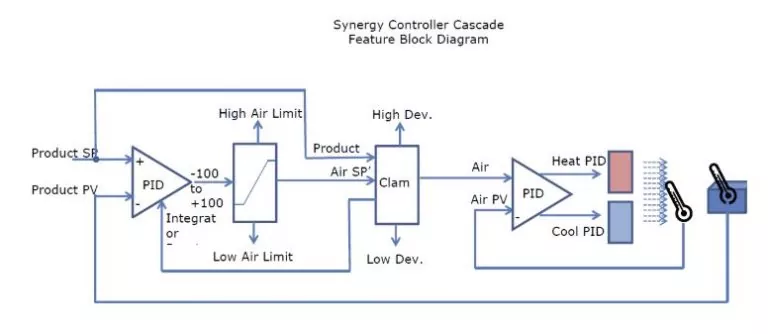
Many of the better modern temperature controllers now have the built-in capability to read two or more temperature probes. When you can identify a specific location in the part that is of special interest or proven to be a representative point that can be used to indicate that the temperature setpoint has been achieved, then Synergy Nano’s easy to use advanced temperature control algorithm can be used to improve the process as follows:

1) Allow temperature overshoot within specified limits to get the device to temperature more quickly (greater Temperature differential).

2) Verify when the temperature has been achieved removing unnecessary wait times.

3) Compensate for effects of active heat load, gradients, and latency in the device.

4) Provide recorded proof that proper testing has been done.


Advanced temperature control algorithms, now commonplace with better temperature controllers allow precise control of the Chamber or Thermal Platform temperature in order to get any specific location within the controlled zone to the required temperature. Active heat loads or areas that are somewhat thermally isolated from the heating/cooling source are also easily dealt with.  Direct access to a network printer or PDF makes a record of the completion of the temperature test as required without tedious data formatting.
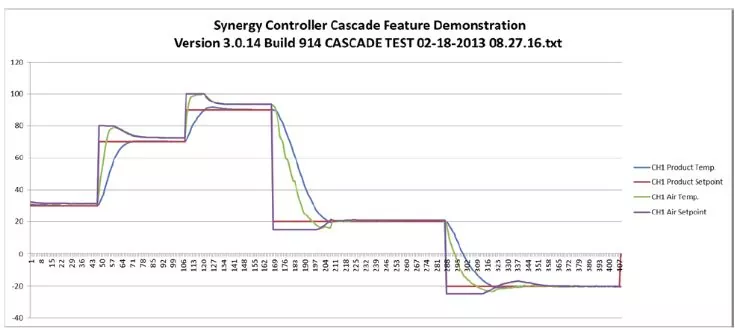
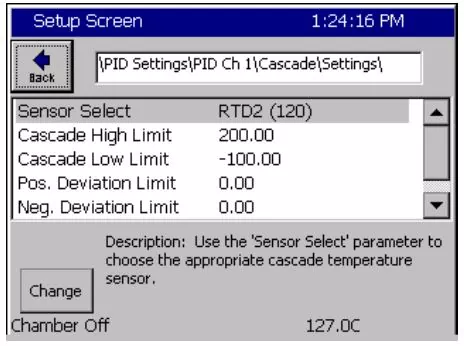
Parameter setting for DUT Temperature Control

As an additional step for improving thermal testing productivity, our dual-mode Hybrid Benchtop Temperature Chamber allows faster and more effective thermal testing of devices regardless of different heat capacity and active loads.  It is simply a temperature chamber with both a thermal platform on the floor and a convection chamber. The Synergy Nano multi-zone temperature controller easily manages the temperature profile and reporting of results.

Hybrid Benchtop Temperature chambers

With this combination, customers report test times are actually cut in half.

Talk to the thermal experts at TotalTemp to find the best solution for your thermal testing needs.

How and When to Use Thermal Chambers for Testing

How and When to Use Thermal Chambers for Testing

Have you ever wondered what journey a piece of equipment or machinery took before ending up in space? Or what testing was done before the rocket’s blastoff? Or why does a piece of equipment fail prematurely? Well somewhere along the path to its final manufacturing, the components and sub-assemblies were developed and designed with the environmental conditions of where it would be operating in mind. Without this critical step in the manufacturing process, you would be far more likely to have some components fail prematurely (e.g. exposing a lithium-ion battery to extreme cold will reduce its longevity and storage capacity). By testing the component, you can ensure quality and reliability, and most importantly overall performance in the environment it is expected to work in. Quite frankly, that is just the way it is done. There are numerous ways to test a component for specific environmental conditions, one of them being the use of temperature or thermal chambers.

What is it?

Temperature Chamber, also known as an environmental test chamber, performs thermal tests through the use of convection. They typically use a fan for the forced air convection, like a convection oven used in your house; however, instead of making cookies, you are testing products and equipment.

Not so fast

These “ovens” rely on the fans to move the air past the device under test for heat transfer. Therefore, if you want better performance you are going to need more airflow. Increasing the airflow comes at a cost since the unexpected heating from the air friction is significant. Also, more power is required for the test (e.g. operating costs go up) and then there will be increased noise and system wear as well.

Despite how easy (or complicated) it may be to bake a cake or grandma’s cookie recipe in a convection oven, the performance of a test within a Thermal Chamber is not that simple. In fact, there are at least three types of thermal testing that can be performed within a thermal chamber: Thermal cycling tests burn-in tests, and thermal shock tests. All three tests evaluate a component at different temperature extremes in a different way:

Thermal cycling is often a more controlled rate, alternating between the two temperature extremes. The speed of the transition can be adjusted to limit thermal stresses and allow guarantee of parts achieving the temperature.  There are hold times called soaks at specified temperatures to make sure the parts achieve the expected temperature. Faster ramp rates are usually better in production but on the other side, care must be taken to not stress the parts beyond what they are able to withstand.

Burn-in test is typically a sustained hold at a given temperature (usually hot) to verify operational parameters of a device in a specific environment over time, Thermal shock, on the other hand, is taking the component from one temperature extreme and another and “shocking” it with very rapid transitions. This is completed with testing chambers or thermal platforms that either automatically transfer the component being tested from one hot chamber to another nearby cold chamber or simply by using high-performance heaters and cooling in a single chamber zone. As you can see there is a little more to it than a convection cooking oven.

Another important thing that should be considered is meeting industry standards of testing. A lot has been written over time regarding appropriate environmental testing and most choices will depend on the intended destination for the product. There are some industry standards that are used as rules or guidelines for testing that can be adapted to other needs. The environmental chamber or thermal platform will allow you need to ensure it meets the standards of the application it will be used for.

For example, MIL-STD-810, Environmental Engineering Considerations and Laboratory Tests, was designed originally for products entering the defense industry; however, this standard is routinely used for commercial products too. This standard covers a wide range of environmental conditions such as thermal shock testing, exposure to high and low-temperature extremes, and humidity. Thus, depending on what environment your product will operate in there is a good chance you will be using MIL-STD-810 for environmental simulation in the design phase to ensure quality and reliability.

But that standard is just the tip of the iceberg. There are countless other standards (e.g. ASTM) whether or not they are related to the defense industry that require additional design specifications and testing. Therefore, if you want to ensure quality and reliability through an environmental simulation consider the best choice to be a temperature chamber to ensure first-time quality work of your product.

Benefits of a Small Thermal Vacuum Chamber for Space Simulation

Benefits of a Small Thermal Vacuum Chamber for Space Simulation

What is a small thermal vacuum chamber?

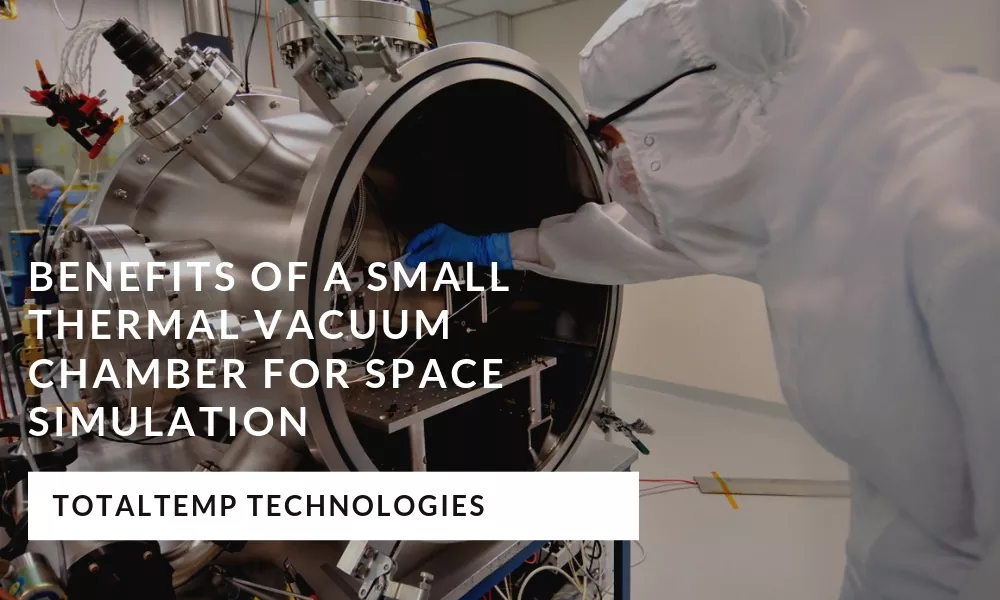
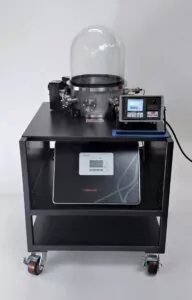
Thermal vacuum testing is a critical step in the design and qualification of space and flight components that are operating at high altitudes such as the mission-critical or sub-assembly components. It enables the component to be subject to space and upper atmospheric conditions – simultaneous altitude and temperature extremes. In a vacuum environment, heat is transferred through radiation or conduction since convection (transfer by air currents) is not possible without air. Thus, a thermal vacuum is a vacuum chamber that controls the temperature of the parts by conductive or radiant heat. This is easily accomplished with thermal platforms in smaller, portable systems.

Why Portable Space Simulation?

If you are testing or designing any high-altitude aircraft (e.g. spacecraft or aircraft) or anything leaving Earth’s atmosphere it’s important to consider thermal vacuum chamber testing to ensure your materials behave as designed. Unfortunately, space simulation systems are often sized remarkably larger than required due to a lack of foresight on what future requirements will be, This results in various inefficiencies. Thus, there are several cost-effective space simulation options; one of them being small thermal vacuum chambers.

A small portable space simulation chamber will meet the needs for testing many smaller components. The small size makes it more affordable and not something so expensive that you would need to take the devices to be tested to another facility at an hourly rate to perform testing. Pull downtimes for achieving vacuum are typically minutes instead of hours when using a small portable system. Likewise, temperature change rates are much faster.  Using the conductive nature of a thermal platform will always be faster than radiant methods typically used in larger chambers

Why use a TotalTemp Thermal Vacuum System?

If the above is enough to convince you that small thermal vacuum chambers are necessary, perhaps a couple more reasons:

  • Logging to file and direct Network printing/logging of test results
  • Easy Automation with the Synergy Nano controller
  • Quality and reliability from years of experience in the field
  • TotalTemp customer support is the best in the industry
  • Better temperature control with a thermal platform instead of by radiant temperature control methods.

If you are testing spacecraft or aircraft components or anything that operates at high altitudes or in space, it is highly recommended that you use Total Temp Technologies’ small thermal vacuum chamber for testing.

What is the Best Way to Accomplish Appropriate Thermal Test on an Electronic Device?

What is the Best Way to Accomplish Appropriate Thermal Test on an Electronic Device?

Why are Thermal Platforms a good alternative to traditional convection temperature chambers?

There are many reasons thermal testing on products is required.

Primarily to verify that the product will work properly in the environment (thermal and otherwise) that it is intended to perform. Sometimes, also to discover end-of-life issues for products, maximize performance or to weed out early failures that might result in product failures

For reasons primarily of simplicity and ease of use, the most widely employed method of forcing products to temperatures for thermal testing is a (convection based) temperature chamber.

According to laws of Thermodynamics, heat transfer (in and out of a product) is accomplished through one or more of the three following methods.  Conduction, convection and radiation.

Convection, as in a standard temperature chamber, while considerably less effective is often used exclusively for the testing of thermal environmental testing.  Technically speaking the heat transfer method is described as forced-convection or Advection (see equations there) where heat is transferred by circulating air past the source of heat and subsequently past the device under test.  Employing a temperature controller sensing the air temperature with a setpoint of the desired temperature, temperature stability at various points can be achieved.

For completeness, Radiation should be mentioned as well.  For most environmental testing applications other than thermal vacuum where convection or physical contact is not possible radiation is not the best choice. Temperature control by radiation is not as easily managed.

The typical scheme of thermal test by convection works well enough for many applications but some of the limitations of chambers are as follows:

  1. Additional instrumentation is required to sense the product temperature if you really want to be sure if-and-when the device reached the required temperature.
  2. Heat transfer via convection is much slower than heat transfer by conduction (see equations there) resulting in extended test times to assure actual device temperature.
  3. Active loads are less readily managed with convection, again resulting in uncertainty of actual device temperatures
  4. Benchtop chambers are often larger than needed for the specific application resulting in cascading inefficiencies of time, lab space, and utilities.

Thermal Platforms as an alternative to chambers brings fast test times and efficiency of lab provisions (space, HVAC load, maintenance, electricity, cryogenic fluids when required).  Platforms with advanced temperature algorithms can achieve temperatures quickly and efficiently by monitoring both the platform and device temperatures.

Thermal platforms have issues to be considered as well.  First of all, for the promised great improvement in heat transfer, good thermal contact is required.  Many electronic devices either already have a flat conductive surface or can be readily fixtured to provide a good thermal path to the device.  If that is not the case, a traditional convection temperature chamber or Hybrid Benchtop Chamber; that is one that combines the benefits of convection and convection to achieve greater performance may be in order.

Significant additional improvements of the processes of thermal test are achieved through proper application of easy to use automation features.  Advanced features such as control algorithms that can directly read the device temperature have been available for many years but are now made easier to implement with modern temperature controllers like the Synergy Nano controller.

Ease of use from a high quality instrument such as this allows numerous advantages including:

  • Logging to internal files, with multipoint sensors available
  • Log files can be exported to office software or printed directly to a network connected printer
  • Remote control via serial, Ethernet, FTP or optional GPIB with industry standard LabVIEW and other drivers included
  • Easy to use local programmability to make flexible ramp and dwell profiles that can be saved and copied.
  • Flexible alarms and notifications can be easily established to flag events, out of bounds condition or completion of test.  Email, text messages or local alarm notifications or actions
  • Selectable display can show multiple readouts, basic graphing and even control of two separate thermal zones


TotalTemp is happy help you find the best solution for your thermal testing requirements with helpful knowledgeable support staff.

Temperature Testing Practices

Temperature Testing Practices

Many items require thermal environmental testing. Items going through product development, requiring validation for high-reliability applications, and products exposed to extreme environments among others require specific thermal testing.

Diligent adherence to requirements results in performing a meaningful test and ultimately higher quality products as opposed to simply taking the easiest route to put a testing checkmark in the box.

A few important aspects of the testing can help ensure that best practices in thermal testing are followed to get real results from testing efforts.

    1. Testing can be time-consuming.  Properly applied automation will increase repeatability and can produce consistent results. Test results can be automatically stored on the test equipment, in the cloud, or automatically printed to a network printer.
    2. Automation also reduces some unexpected uncertainties in the testing such as reducing the temptation to open the door/lid of the chamber during the test.

      In addition to disturbing the temperature uniformity of the test, if cool air is introduced when the system is at extreme hot or cold temperatures, moist air can result in unwanted condensation or corrosion on the devices being tested.
    3. Best heat transfer will get the job done most effectively.  When possible conductive heat transfer will achieve the setpoint in less time with less energy.  When heat transfer by conduction is not possible or practical a convection chamber or a hybrid combining conduction and convection is a good idea.
    4. HBC144 Hybrid Benchtop Chamber

    5. When using a temperature chamber, for best heat transfer, be sure that airflow across the device is as great as possible to transfer heat effectively as possible.
    6. Using shelves improves DUT gradients

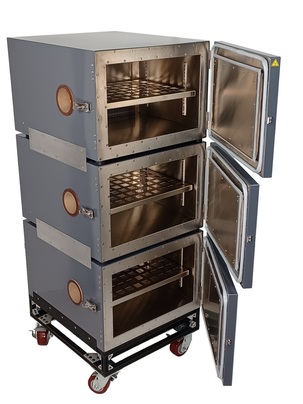
      C460-N Triple Stack


    7. Use of a secondary sensor in a Temperature Chamber or Thermal Platform can be applied to either verify that critical zones in the product to be tested actually achieve the specified or with a controller that employs smarter temperature control algorithms which can consider both the system temperature and individual device under test (DUT) temperature.
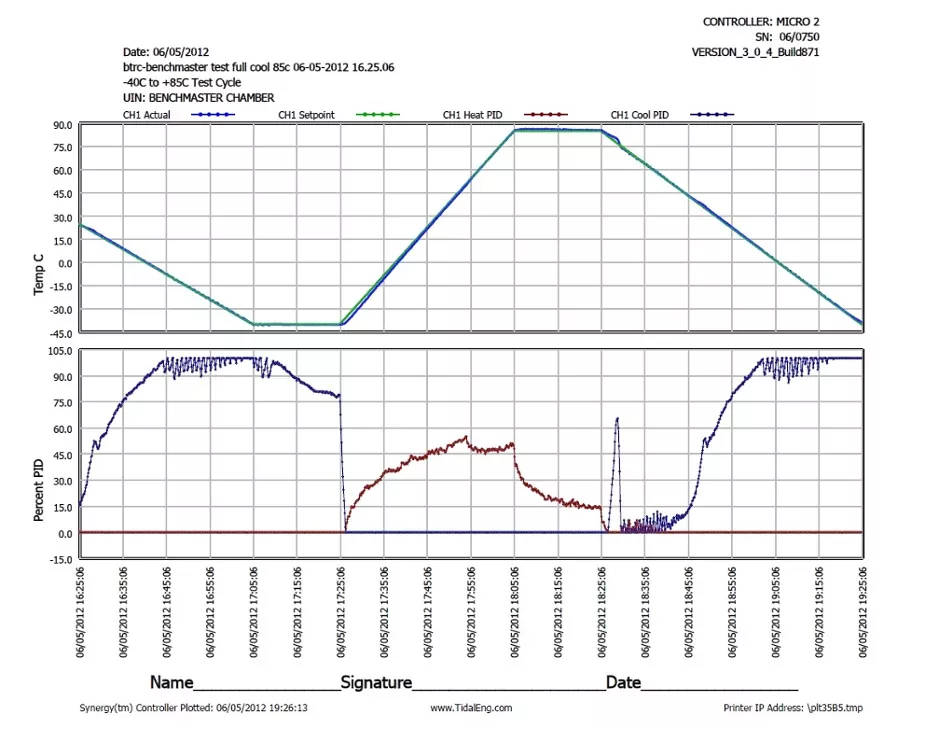
    8. Prior to purchase, always give plenty of consideration to the most preferred cooling method given the testing requirements and facilities available.

    TotalTemp Technologies can guide you through all the trade-offs, including cooling methods. We not only design, manufacture and sell some of the best equipment out there but also offer free dedicated consulting to get you to the best thermal testing equipment that meet your unique requirements.

    Call us (888) 712-2228 or contact us if you have any questions.

The Basics of Environmental Test Chambers

The Basics of Environmental Test Chambers

Testing and studying new products is key to ensuring their safety, effectiveness, and applications. Since it isn’t always possible, safe, or efficient for that matter, to test products in their actual working environments, using these chambers is the best way to recreate its exact working conditions and measure the results. This is a process that has been in place for a number of decades and has been used effectively by the aerospace industry. Before truly grasping the complexities of this process, it is important to understand the basics.What are environmental test chambers?

Environmental test chambers allow a product to experience a variety of external factors to be tested in a controlled environment. As the factors are introduced, the unit and observer can see how the item being tested is affected in various conditions. Many times, levels of factors like vibration, temperature, electromagnetic radiation, humidity, pressure, sun, and salt exposure, among others, are applied singularly and then even layered to see how the specimens, products, or specific materials function under combined effects.

How are environmental test chambers designed?

Prior to being designed, the function of what will be tested is decided for each chamber. Chambers come in a variety of shapes and sizes, ranging from some that are large enough to drive in to and those that are small enough for only reach-in with special tools or robots. Depending on the purpose of your testing needs, you may require one that is floor-mounted, walk-in, bench-top, or even as grandiose as an entire room. No matter the size, the exterior of all of these are usually made with steel. The inner chamber can be customized depending on its application. Sometimes a glass window is installed, while other times, a reinforced steel door is necessary. The type of technology used is also dependent on its use. Some of the more recent models have web capabilities to upload test data, and many have touch-screen controls.

How are test chambers used?

Test chambers are used throughout many industries as a way to ensure the perfection of a product before it hits the market. Whether you are in the aerospace, cosmetics, pharmaceuticals, biotechnology, medical, technology, or packaging fields, you most likely use or order items that have gone through rigorous environmental test chamber protocols. They are also used for compliance testing purposes. International regulations may vary by country, and these chambers allow for testing the various conditions in one experiment. In aerospace, for example, these environments can be used to mimic conditions that would be present in high altitude or outer space. It would be too dangerous to take a chance with untested equipment, especially equipment that ensures continued life for astronauts. The test chambers can recreate similar conditions in terms of temperature, pressure, and oxygen levels. The product engineers may need to make tweaks or design improvements for safety and reliability by observing how the items react. Virtually every item you use in your everyday life has gone through a testing chamber in one regard or another.

What are the types of chambers available?

Some chambers are specifically created to test products while in their infancy or even research stage. Others are used on products to confirm viability and safety while they are being produced. Many organizations, for example, use ones that feature humidity/temperature chambers or stress/vibration chambers. There are quite a few types of chambers available that conduct important tests like the HASS, or Highly Accelerated Stress Screen, or HALT, Highly Accelerated Life Test. Picking the right one to recreate realistic conditions is required.

Overall, environmental test chambers are a critical component of the design and/or production process for many products and ideas. By testing products in their environmental conditions in a controlled manner, the researchers can ensure they are safe and adhere to standards, prior to being produced or distributed to the general public.

For more information on Thermal, Testing Equipment click on the link